
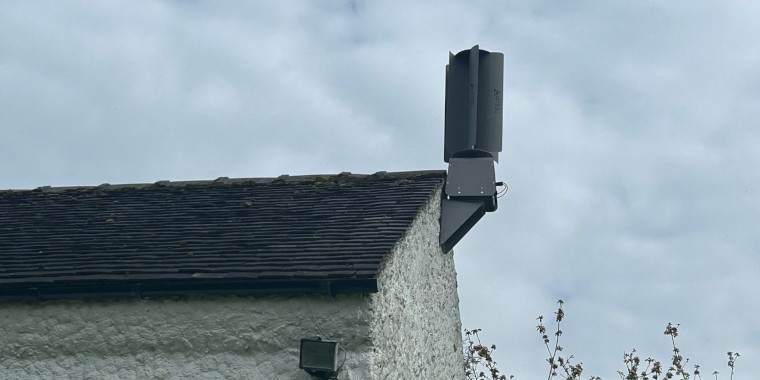
Coleman Street Home Wind Turbine Installation
Commercial & Residential Decking Installation And Repairs
Get In Touch Today
If you’re looking for professional wind turbine installation services from a trusted and experienced local company, look no further. Our teams are experienced local wind turbine installers covering Preston and the surrounding areas. They have decades of experience and can provide a high-standard wind turbine solutions.
For more details or to get a free quote phone today or simply complete the form and someone will get back to you to discuss your requirements.
What Are the Benefits of Installing a Wind Turbine on My Home?
Installing a wind turbine on your home can offer several significant benefits, starting with energy independence. By generating your own electricity, you reduce reliance on the grid, which can lead to lower energy bills. Wind energy is renewable and abundant, making it a sustainable choice that helps you control your energy costs over time.
Another advantage is the positive environmental impact. Wind turbines produce clean energy without harmful emissions, contributing to a reduction in your carbon footprint. This aligns with the growing trend towards sustainable living, as defined in various environmental initiatives. By choosing wind energy, you’re not only benefiting financially but also supporting a healthier planet.
Additionally, wind turbines can increase your property’s value. Homes equipped with renewable energy systems often attract environmentally conscious buyers, providing a unique selling point. With potential government incentives and schemes, the financial benefits extend beyond just energy savings. Overall, installing a wind turbine offers both immediate and long-term advantages, making it a smart investment for your home and the environment.
Do I Need Planning Permission to Install a Domestic Roof Wind Turbine?
When considering the installation of a roof wind turbine, one of the first questions that arises is whether planning permission is required. In the UK, the need for planning permission can depend on various factors, including the size of the turbine, your property's location, and local regulations. Generally, roof-mounted turbines may require permission, especially if they exceed certain height and noise limits.
It’s essential to check with your local planning authority before proceeding. Each council may have specific requirements based on local guidelines. For example, properties in conservation areas or listed buildings often face stricter regulations. Engaging with your local council early in the process can help clarify any restrictions and streamline the installation process.
Obtaining planning permission typically involves submitting detailed plans of the proposed installation, including specifications of the turbine and its placement on your roof. Once submitted, the council will review the proposal, considering factors like visual impact, noise levels, and any potential effects on neighbours. With the guidance from our team, this process can be straightforward, allowing you to enjoy the benefits of renewable energy while ensuring compliance with local laws.
For more information on our domestic wind turbine installation Coleman Street get in touch today
How Are Roof Wind Turbines Installed on Residential Properties?
Installing a roof wind turbine on your home is an effective way to harness renewable energy. The process begins with a thorough assessment of your property to determine wind patterns and suitability. Our team will evaluate factors such as your roof orientation, wind speed, and potential obstacles. This step ensures that your turbine will operate efficiently, maximising energy output and ensuring a return on your investment.
Once your property is deemed suitable, the next step involves obtaining any necessary permits. In the UK, planning permission may be required, depending on local regulations and the turbine’s specifications. Our consultant will be able to guide you through this process, ensuring compliance with all legal requirements. Proper planning is essential to avoid future issues and ensure the installation meets safety standards.
With all of the necessary approvals in place, the installation process begins. The first step is securing the mounting system to your roof. This involves carefully anchoring brackets to support the turbine, ensuring it withstands various weather conditions. After the mounting system is in place, the turbine itself is installed, followed by the blades and rotor. Finally, the system is connected to your home’s electrical setup, and thorough testing is conducted to ensure optimal performance. With the installation complete, you can enjoy reduced energy bills and contribute to a more sustainable environment.


Understanding the Electricity Generation Capacity of Home Wind Turbines
The question of how much electricity does a home wind turbine generate is a common one among homeowners who are considering powering their home with renewable energy. The answer, however, is not as straightforward as you might hope. How much electricity that a home wind turbine can generate depends on a variety of factors including:
- The turbine's size
- The wind speed at your location
- how efficiently the turbine converts wind into electrical energy
Generally, residential wind turbines range in size from small 400-watt models, suitable for supplementing power usage, to larger 20-kilowatt systems capable of fully powering your home.
The Amount Of Energy A Wind Turbine Can Generate
The amount of power that your wind turbine can generate is directly related to the wind speed in your area. Wind turbines start generating electricity at wind speeds of approximately 3-4 metres per second. This is known as the 'cut-in speed'. Maximum output is achieved at a specific wind speed, beyond which the turbine will not increase its power output. This is known as the 'rated speed'. For example, a 5-kilowatt wind turbine, in an area with average wind speeds of about 6 metres per second, could generate approximately 8,000 to 9,000 kilowatt-hours per year. This is roughly enough to cover the electricity consumption of a typical UK household.
However, it is important for you to have realistic expectations and understand that the wind conditions can vary greatly, even within the same region. Before making a decision, it is advisable that you have a detailed assessment of your specific site's wind resource. After the assessment you will be provided with a comprehensive report that can help you to predict you wind turbine's performance more accurately. In addition if you integrate your wind turbine system with a battery storage solution, then that can maximise its efficiency even more by ensuring that any excess energy that is generated during windy periods does not go to waste.
For more information on our domestic wind turbine installation Coleman Street get in touch today
Home Wind Turbine Installation FAQs
How big of a wind turbine is needed to power a house?
How big of a wind turbine is needed to power a house? A typical home uses approximately 10,649 kilowatt-hours (kWh), an average of 877 kWh per month. Depending on the average wind speed in the area, a wind turbine rated in the range of 5 to 15 kW would be required to make a significant contribution to this demand.
Can I have a small wind turbine at home in UK?
Can I have a small wind turbine at home in UK? You can install a roof-mounted wind turbine on your home in England as long as you meet these rules: Your installation meets Microgeneration Certification Scheme (MCS) standards. You live in a detached home, surrounded by other detached homes. You only install a single turbine.
How long do small wind turbines last?
How long do small wind turbines last? Commercially available wind turbines range between 5 kW for small residential turbines and 5 MW for large scale utilities. Wind turbines are 20% to 40% efficient at converting wind into energy. The typical life span of a wind turbine is 20 years, with routine maintenance required every six months.
Is a garden wind turbine worth it?
Is a garden wind turbine worth it? This is almost 80% off electricity bills for the average three-bedroom house. Small roof-mounted wind turbines will save you a lot less. For example, a 1 kW roof-mounted wind turbine could save you around £177 a year on your electricity bills, or around 20% off the average home's electricity bills. 18 Jul 2023
Which is better solar panels or wind turbines?
Which is better solar panels or wind turbines? The most efficient residential solar panel on the market is able to convert 20% of energy harnessed from the sun. On the other hand, wind turbines can convert between 60% – 90% of the energy they harness from wind. So technically, wind energy is the front runner in efficiency when it comes to natural, clean energy.
Other areas near Coleman Street we cover include: