
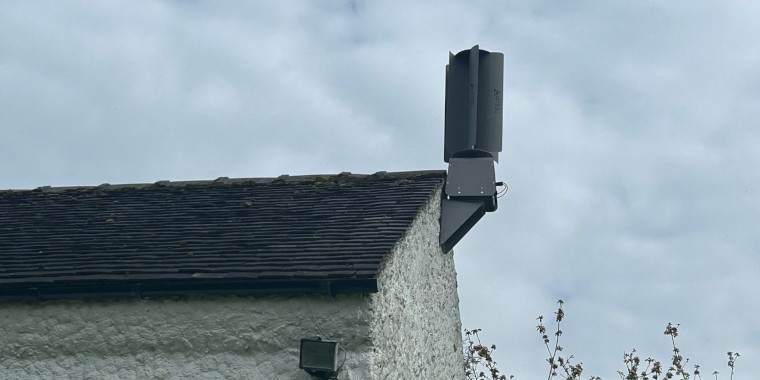
Newham Home Wind Turbine Installation
Residential & Commercial
Fully Qualified Decking Contractors
Get In Touch Today
If you’re looking for professional wind turbine installation services from a trusted and experienced local company, look no further. Our teams are experienced local wind turbine installers covering Preston and the surrounding areas. They have decades of experience and can provide a high-standard wind turbine solutions.
For more details or to get a free quote phone today or simply complete the form and someone will get back to you to discuss your requirements.
What Are the Benefits of Installing a Wind Turbine on My Home?
Installing a wind turbine on your home can offer several significant benefits, starting with energy independence. By generating your own electricity, you reduce reliance on the grid, which can lead to lower energy bills. Wind energy is renewable and abundant, making it a sustainable choice that helps you control your energy costs over time.
Another advantage is the positive environmental impact. Wind turbines produce clean energy without harmful emissions, contributing to a reduction in your carbon footprint. This aligns with the growing trend towards sustainable living, as defined in various environmental initiatives. By choosing wind energy, you’re not only benefiting financially but also supporting a healthier planet.
Additionally, wind turbines can increase your property’s value. Homes equipped with renewable energy systems often attract environmentally conscious buyers, providing a unique selling point. With potential government incentives and schemes, the financial benefits extend beyond just energy savings. Overall, installing a wind turbine offers both immediate and long-term advantages, making it a smart investment for your home and the environment.
Do I Need Planning Permission to Install a Domestic Roof Wind Turbine?
When considering the installation of a roof wind turbine, one of the first questions that arises is whether planning permission is required. In the UK, the need for planning permission can depend on various factors, including the size of the turbine, your property's location, and local regulations. Generally, roof-mounted turbines may require permission, especially if they exceed certain height and noise limits.
It’s essential to check with your local planning authority before proceeding. Each council may have specific requirements based on local guidelines. For example, properties in conservation areas or listed buildings often face stricter regulations. Engaging with your local council early in the process can help clarify any restrictions and streamline the installation process.
Obtaining planning permission typically involves submitting detailed plans of the proposed installation, including specifications of the turbine and its placement on your roof. Once submitted, the council will review the proposal, considering factors like visual impact, noise levels, and any potential effects on neighbours. With the guidance from our team, this process can be straightforward, allowing you to enjoy the benefits of renewable energy while ensuring compliance with local laws.
Our Newham home wind turbine installers are waiting for your call and are ready to answer any questions you may have about getting a new wind turbine installed
Comparing the Efficiency of Wind Turbines and Solar Panels
When it comes to choosing a renewable energy source for your home, wind turbines and solar panels are among the most popular options. Each has its own set of advantages and efficiency metrics, which can vary depending on several factors including location, climate, and the specific energy needs of your household. Understanding how the efficiency of wind turbines compares to solar panels is crucial for you if you are considering making an investment in renewable energy.
Wind turbines convert the kinetic energy in wind into electrical power. Their efficiency can be significantly influenced by the wind speed in the area, with higher speeds resulting in more power generation. In regions where wind speeds are consistently high, wind turbines can operate at an efficiency rate of 30-50%. This means that they are capable of converting up to half of the wind's kinetic energy into electricity. Solar panels, on the other hand, convert sunlight into electricity with an average efficiency rate of 15-20%. However, it's important to note that solar technology is rapidly advancing, and some high-efficiency panels now boast rates exceeding 22%. Solar panels tend to be more versatile than wind turbines, as they can generate electricity even on cloudy days, albeit at reduced efficiency.
One of the key differences between these two types of renewable energy sources is their dependency on environmental conditions. While solar panels require sunlight to generate power, their performance is relatively predictable and consistent throughout the year, especially in areas with a high number of sunny days. Wind turbines, however, can produce electricity 24 hours a day, provided there is enough wind. This makes them potentially more productive in areas with strong nocturnal winds or in locations where sunlight is less reliable. The choice between wind and solar power ultimately depends on specific local conditions as well as personal or household energy requirements.


Can A Home Wind Turbine Completely Replace My Need For Grid Electricity?
The idea of using a home wind turbine to completely cut ties with the grid and achieve energy independence is an appealing one for many. However, whether this is feasible for you will depend on several factors
- Your energy consumption
- The wind resource in your area
- Your capacity for energy storage
The potential to go entirely off-grid with a wind turbine does exist, but it requires careful planning and consideration of your specific circumstances.
Firstly, it's important that you understand your home's energy needs. The average household's energy consumption varies widely, and so does the ability of a wind turbine to meet these needs. Wind turbines come in various sizes, and their electricity output is highly dependent on local wind speeds. In areas of the UK with consistent and strong winds, a suitably sized turbine could generate a significant portion of, or even all, your household's electricity needs. However, wind speed can be variable, and there will be times when it's not sufficient to power your home. This is where energy storage systems, such as batteries, come into play. They can store excess energy generated on windy days for use during calm periods, but the capacity needed to cover extended low-wind periods can be substantial and costly.
Moreover, the transition to being completely off-grid is not just about generating enough electricity. It's also about managing your energy use efficiently. This might involve changing how and when you use electricity, investing in energy-efficient appliances, and possibly even altering your lifestyle to some extent. Additionally, there are practical considerations, such as the initial investment for the turbine and storage system, maintenance costs, and planning permissions. While technology and storage solutions are continually improving, making the dream of going off-grid more attainable, it's a complex process that requires a significant commitment.
In conclusion, while it's technically possible for a home wind turbine to replace the need for grid electricity, achieving complete independence is challenging. It requires a combination of favourable conditions, including a good wind resource, a significant initial investment in equipment and storage, and a commitment to energy efficiency. For those considering this path, it's advisable to start with a detailed assessment of your energy needs and local wind conditions, possibly with the help of an expert. Going off-grid is a big step, but with the right preparation, it can be a rewarding journey towards sustainability and independence.
Our Newham home wind turbine installers are waiting for your call and are ready to answer any questions you may have about getting a new wind turbine installed
Home Wind Turbine Installation FAQs
How big of a wind turbine do you need to power a house?
How big of a wind turbine do you need to power a house? A typical home uses approximately 10,649 kilowatt-hours (kWh), an average of 877 kWh per month. Depending on the average wind speed in the area, a wind turbine rated in the range of 5 to 15 kW would be required to make a significant contribution to this demand.
Are residential wind turbines worth it?
Are residential wind turbines worth it? A residential wind energy system can be a good long-term investment. However, because circumstances such as electricity rates and interest rates vary, you need to decide whether purchasing a wind system is a smart financial move for you.
Do you need planning permission for a wind turbine?
Only the first installation of any wind turbine would be permitted development, and only if there is no existing air source heat pump at the property. Additional wind turbines or air source heat pumps at the same property requires an application for planning permission.
How much does a home wind turbine cost UK?
Small roof-mounted wind turbines usually aren't more than 0.5-1.5 kW, and cost around £2,000 to 3,000, including installation. Standalone (or pole-mounted) turbines can vary a lot in size and, therefore, in price. They can cost anywhere from £7,000 for a 1.5 kW system, to £70,000 for a 15 kW system. 18 Jul 2023
Are mini wind turbines any good?
Harnessing the power of micro-wind or small-wind turbine systems to generate electricity, in an exposed position, can produce more than enough energy to power the lights and electrical appliances in a typical home.
Other areas near Newham we cover include: