
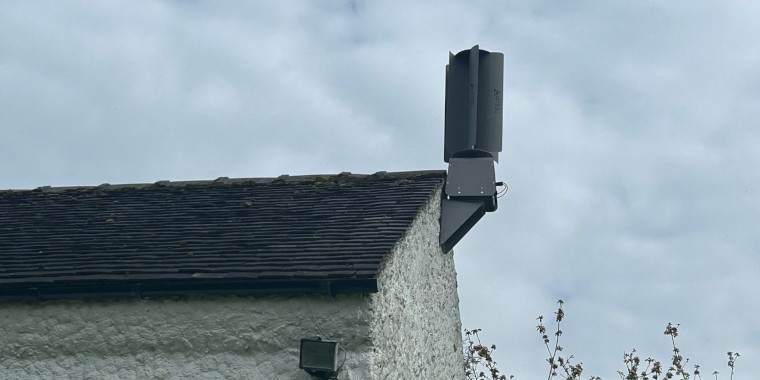
Home Wind Turbine Installation Sands End
Fully Qualified Decking Contractors
Commercial And Residential
Get In Touch Today
If you’re looking for professional wind turbine installation services from a trusted and experienced local company, look no further. Our teams are experienced local wind turbine installers covering Preston and the surrounding areas. They have decades of experience and can provide a high-standard wind turbine solutions.
For more details or to get a free quote phone today or simply complete the form and someone will get back to you to discuss your requirements.
Selling Excess Electricity Generated From Your Home Wind Turbine
One of the most appealing aspects of owning a home wind turbine is the potential to not only generate your own electricity but to also be able to sell any excess electricity back to the grid. This concept, often referred to as 'net metering' or 'feed-in tariffs', allows homeowners to become part of the energy solution, contributing to the national grid's renewable energy sources. But how does this process work, and what do you need to know to get started?
Firstly, it's important to understand that the ability for you to sell electricity back to the grid depends on the regulations in your area and the policies of your energy provider. In the UK, the Smart Export Guarantee (SEG) scheme has replaced the previous Feed-in Tariff (FiT) scheme. Under SEG, licensed electricity suppliers with a certain number of customers are obligated to offer a tariff and pay small-scale low-carbon generators, like home wind turbine owners, for the electricity they export back to the grid. The rate paid varies between suppliers, so it is worth shopping around to find the best deal. To qualify for the scheme your installation must meet certain criteria and be carried out by a certified installer. This ensures that it is safe and that it is capable of efficiently generating electricity.
Before you start, you will need to have a smart meter installed that can accurately measure the electricity you're exporting. This allows your energy provider to monitor how much power you're sending back and ensure you're compensated correctly. It's also a good idea to consider the size of your wind turbine and your household's energy consumption. If your turbine generates more electricity than you use, selling the surplus can be financially rewarding. However, if your consumption is high, the amount available to sell might be less, though still beneficial. Engaging with your energy provider early on can provide clarity on the process and help you understand the potential financial returns.
If you are searching for home wind turbine installation Sands End then please contact us today to get a free quote
Comparing the Efficiency of Wind Turbines and Solar Panels
When it comes to choosing a renewable energy source for your home, wind turbines and solar panels are among the most popular options. Each has its own set of advantages and efficiency metrics, which can vary depending on several factors including location, climate, and the specific energy needs of your household. Understanding how the efficiency of wind turbines compares to solar panels is crucial for you if you are considering making an investment in renewable energy.
Wind turbines convert the kinetic energy in wind into electrical power. Their efficiency can be significantly influenced by the wind speed in the area, with higher speeds resulting in more power generation. In regions where wind speeds are consistently high, wind turbines can operate at an efficiency rate of 30-50%. This means that they are capable of converting up to half of the wind's kinetic energy into electricity. Solar panels, on the other hand, convert sunlight into electricity with an average efficiency rate of 15-20%. However, it's important to note that solar technology is rapidly advancing, and some high-efficiency panels now boast rates exceeding 22%. Solar panels tend to be more versatile than wind turbines, as they can generate electricity even on cloudy days, albeit at reduced efficiency.
One of the key differences between these two types of renewable energy sources is their dependency on environmental conditions. While solar panels require sunlight to generate power, their performance is relatively predictable and consistent throughout the year, especially in areas with a high number of sunny days. Wind turbines, however, can produce electricity 24 hours a day, provided there is enough wind. This makes them potentially more productive in areas with strong nocturnal winds or in locations where sunlight is less reliable. The choice between wind and solar power ultimately depends on specific local conditions as well as personal or household energy requirements.


What Factors Affect the Performance of Wind Turbines?
The performance of wind turbines is influenced by several key factors. Understanding these can help you make the most of your renewable energy investment. The primary factor is wind speed; turbines require a consistent breeze to operate efficiently. Areas with higher average wind speeds will produce more electricity, making location a crucial consideration.
Another important factor is the height and placement of the turbine. Installing the turbine at an optimal height allows it to capture stronger, more consistent winds. Turbulence from nearby buildings or trees can disrupt airflow, reducing efficiency. Therefore, placing your turbine in an open area with minimal obstructions can significantly enhance its performance.
The design and technology of the turbine also play a role. Modern turbines are equipped with advanced features that improve aerodynamics and energy capture. Blade shape, size, and material can impact how well the turbine harnesses wind energy. By considering these factors—wind speed, placement, and turbine design—you can maximise the effectiveness of your wind turbine and contribute to a more sustainable energy future.
If you are searching for home wind turbine installation Sands End then please contact us today to get a free quote
Home Wind Turbine Installation FAQs
How big of a wind turbine do you need to power a house?
How big of a wind turbine do you need to power a house? A typical home uses approximately 10,649 kilowatt-hours (kWh), an average of 877 kWh per month. Depending on the average wind speed in the area, a wind turbine rated in the range of 5 to 15 kW would be required to make a significant contribution to this demand.
Are residential wind turbines worth it?
Are residential wind turbines worth it? A residential wind energy system can be a good long-term investment. However, because circumstances such as electricity rates and interest rates vary, you need to decide whether purchasing a wind system is a smart financial move for you.
Do you need planning permission for a wind turbine?
Only the first installation of any wind turbine would be permitted development, and only if there is no existing air source heat pump at the property. Additional wind turbines or air source heat pumps at the same property requires an application for planning permission.
How much does a home wind turbine cost UK?
Small roof-mounted wind turbines usually aren't more than 0.5-1.5 kW, and cost around £2,000 to 3,000, including installation. Standalone (or pole-mounted) turbines can vary a lot in size and, therefore, in price. They can cost anywhere from £7,000 for a 1.5 kW system, to £70,000 for a 15 kW system. 18 Jul 2023
Are mini wind turbines any good?
Harnessing the power of micro-wind or small-wind turbine systems to generate electricity, in an exposed position, can produce more than enough energy to power the lights and electrical appliances in a typical home.
Other areas near Sands End we cover include: